




Filler Paper vs. Notebook Paper: A Comprehensive Comparison & Best Uses
For school notetaking, professional documentation, and casual journaling, filler paper vs. notebook paper is a common comparison. The differentiation especially matters to students, teachers, and employees who rely on quality office supplies regularly.
Although both filler paper and notebook paper serve similar purposes, they also differ significantly in terms of usability, flexibility, and binding. In this OnTimeSupplies.com guide, we explore the pros and cons of both paper types, including typical use scenarios and premium options to elevate your writing style.

An Introduction to Types of Writing Paper
When you shop for writing paper, there are two main categories to choose from: filler paper vs. writing paper. At OnTimeSupplies.com, we offer a wide range of both types and options, in various sizes, rulings, and packaging, to suit your workflow.
What Is Filler Paper?
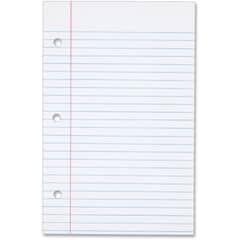
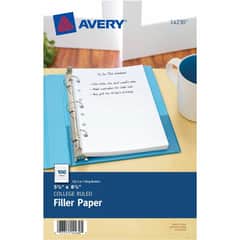
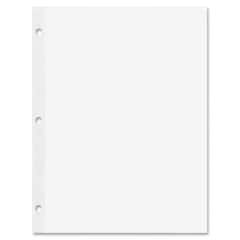
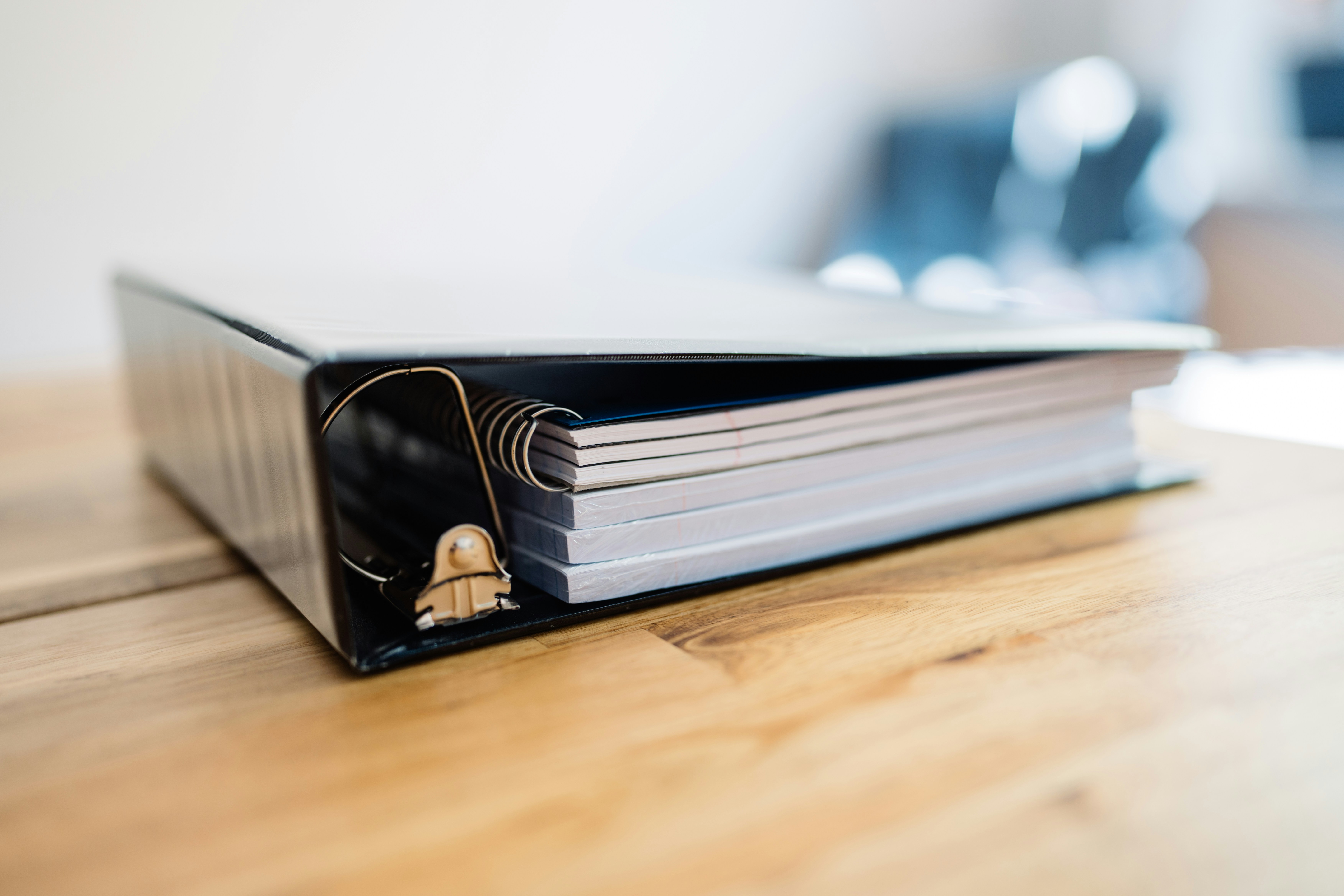
Filler paper is a type of loose-leaf paper, meaning it's not bound and is often used in binders. Many people place filler paper in three-ring binders because it's easy to add, remove, and rearrange pages as needed.
Filler paper offers optimal flexibility for students organizing class notes, teachers customizing lesson handouts, and business professionals managing client reports. Even in our modern, digital world, filler paper remains a classroom and office essential due to its versatility.
Some examples of filler paper we offer at OnTimeSupplies.com include:
What Is Notebook Paper?
On the other hand, notebook paper is bound inside a notebook and offers a structured, permanent way to take notes and stay organized.
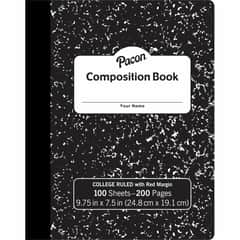
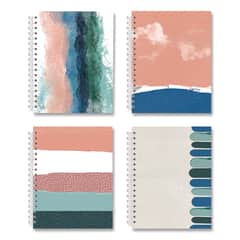
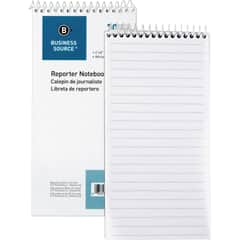
Notebook paper is ideal for people who want a fixed, portable notetaking solution because every page is attached to a spiral or stitched into a composition binding. Notebook paper is durable, self-contained, and ideal for everyday use.
Here are some examples of our notebook paper options:
Comparing Filler Paper vs. Notebook Paper
When you're comparing these two types of paper, your choice typically comes down to how much flexibility or permanence you need. Below are some key considerations to help you decide.
Binder Use vs. Built-In Organization
The most significant difference between filler paper vs. notebook paper is the binding.
You can insert filler paper into a three-ring binder for total customization, mixing and matching notes, handouts, and dividers however you like. However, notebook paper stays in place, offering you a permanent, structured organization system that's simple and practical.
If you decide to use either type of paper, you should know that OnTimeSupplies.com also stocks compatible accessories, such as binders, dividers, and sheet protectors.
How Are These Paper Types Commonly Used?
Students often use filler paper to organize their school notes and handouts in binders. Also in school settings, teachers tend to prefer composition and spiral notebooks to maintain their grading notes and lesson plans.
Meanwhile, working professionals commonly use filler paper in presentation binders and legal pads for conference and meeting notes.
For all of these use cases, here are some examples of what we offer at OnTimeSupplies.com:
- Mead® Filler Paper for dependable, everyday office and school use
- Oxford® Notebooks for durable, bound notetaking wherever you go
Paper for Every Preference
If you're an avid journal writer, office worker, or student, you likely have preferences in terms of your paper style, as well as how bright it looks and how smooth it feels. At OnTimeSupplies.com, we carry everything from standard, budget-friendly writing paper to acid-free, archival-quality paper that resists yellowing and ink bleed for long-term preservation.
Premium and Specialized Options Available
If you're looking for more than just standard filler paper vs. notebook paper, OnTimeSupplies.com has you covered. Our premium options are ideal for customers with specific writing styles and specialized needs.
Premium Notebooks
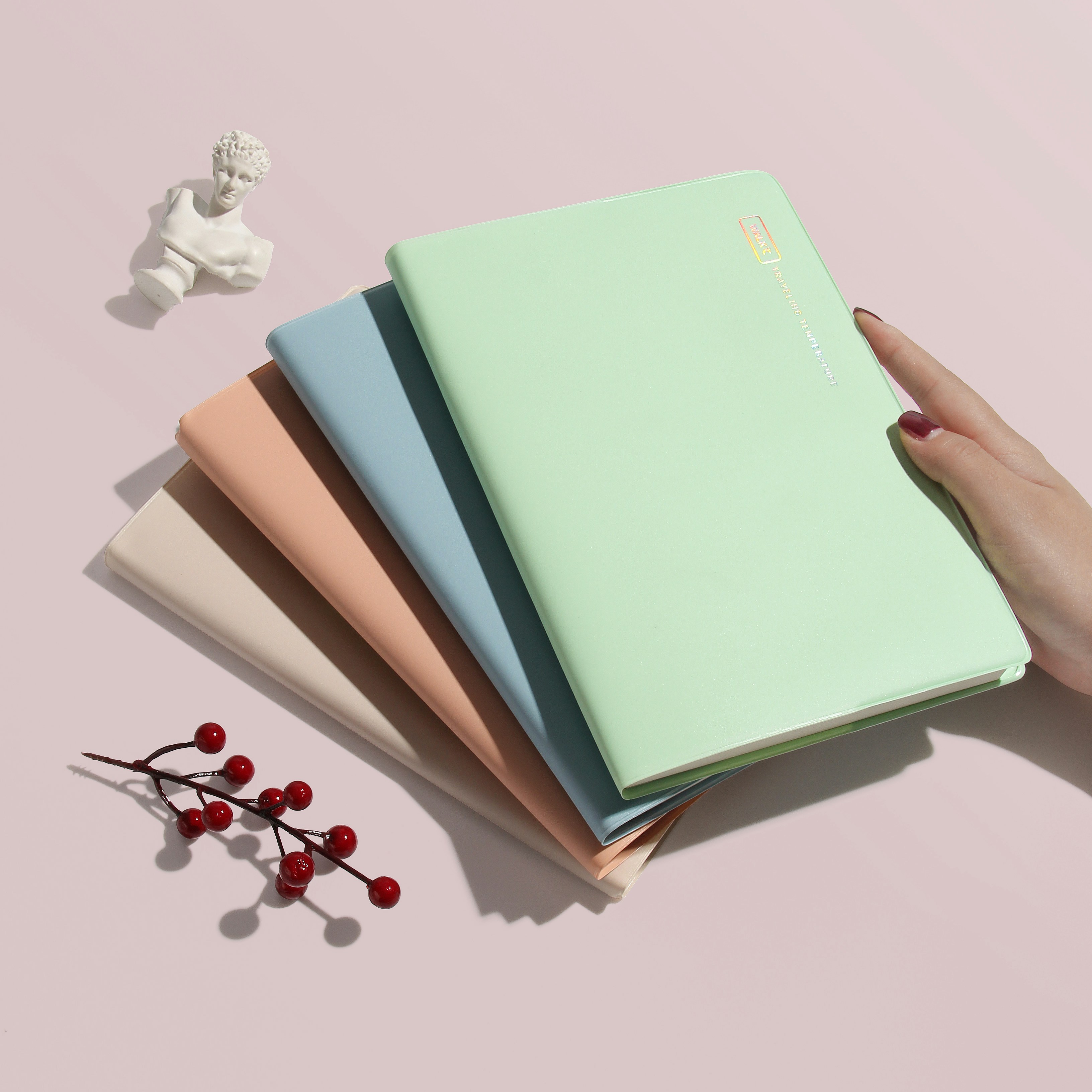
When not just any basic notebook will do, consider our high-end notebooks designed for an elegant look and superior ink handling.
For example, Ampad Gold Fibre Personal Notebooks are a high-quality option that minimizes feathering and ink bleed.
Specialized Filler Paper
There are also several ruling sizes available for filler paper, including wide-ruled, college-ruled, and graph/grid paper.
Wide-ruled filler paper is excellent for young students working on their handwriting, while college-ruled paper is best for dense notetaking in higher education and professional meetings. Graph/grid paper is commonly used by engineers, designers, and planners whose work demands precision while maintaining proportion and scale.
Consider Your Preferred Writing Tool
Another consideration as you decide between the types of filler paper vs. notebook paper is the writing tool you plan to use.
If you use a fountain pen, rollerball pen, or marker to take notes, you'll want smooth, coated, heavyweight paper that resists ink absorption and dries without spreading or bleeding through the page. Ballpoint pen users can use a wide range of paper types, with more options available. But if you plan to take notes with a pencil, consider textured paper rather than something too smooth or glossy for the best results.
We Can Help You Choose the Right Paper for Your Needs
In the debate between filler paper vs. notebook paper, your best choice depends on your goals and intended writing purpose.
Ultimately, we recommend filler paper if you're looking for maximum flexibility and binder presentation. However, notebook paper is ideal for permanent writing that doesn't need to be reorganized. Whether you're in the office, classroom, or creative environment, OnTimeSupplies.com has every writing paper you'll need – made by trusted brands and available in bulk quantities at discounted prices.
Shop our website today for top manufacturers like Universal®, TOPS®, and Mead® to embrace the power of the written word – customized to your needs and always right at your fingertips.
Questions & Answers

Subscribe for Updates on Deals & Promotions
- We are: