




Different Types of Office Chairs: Comprehensive Guide to Comfort & Ergonomics
Choosing the right office chair affects more than comfort. The chair you use every day can influence posture, productivity, energy levels, and even the look and feel of your workspace. With so many options available, it helps to understand how different office chair types compare in terms of ergonomics, materials, adjustability, and intended use.
This guide explains the most common office chair categories, the features that matter most, and how to choose the best chair for your role, workspace, and budget. OnTimeSupplies.com offers many office chair options, plus knowledgeable customer service to help you choose the right ones.
Why Office Chair Selection Matters
Office chairs play a major role in how people work throughout the day. A poorly fitted chair can lead to discomfort, back strain, neck tension, and reduced focus, while a supportive chair can improve posture and make long work sessions easier to manage. In both home offices and corporate spaces, the best office chair should match the user’s body, daily tasks, and environment. That is why factors such as ergonomics, material quality, support, and adjustability matter when comparing office chairs.
Importance of Office Chair Ergonomics
Ergonomic office chairs are designed to support the body in a more natural seated position. Features like adjustable lumbar support, seat height, armrests, and tilt help users maintain better posture and reduce stress on the spine. This is especially important for people who sit for several hours each day. Strong ergonomic design can also help reduce common workplace issues such as back pain, shoulder tension, and tech neck.
Impact of Chair Types on Productivity and Well-Being
Different office chair types are built for different work styles and needs. A task chair may work well for short, active desk sessions, while an ergonomic office chair is better suited for full-day use. Executive chairs may prioritize appearance and cushioning, while mesh chairs often focus on airflow and flexible support. Choosing the right style can improve daily comfort, reduce distraction, and create a better overall work experience. Office seating is only one part of a productive setup, so teams planning workspace updates may also want to read How to Make the Office Comfortable for Employees Returning to Work.
Types of Office Chairs: Features, Styles, and Uses
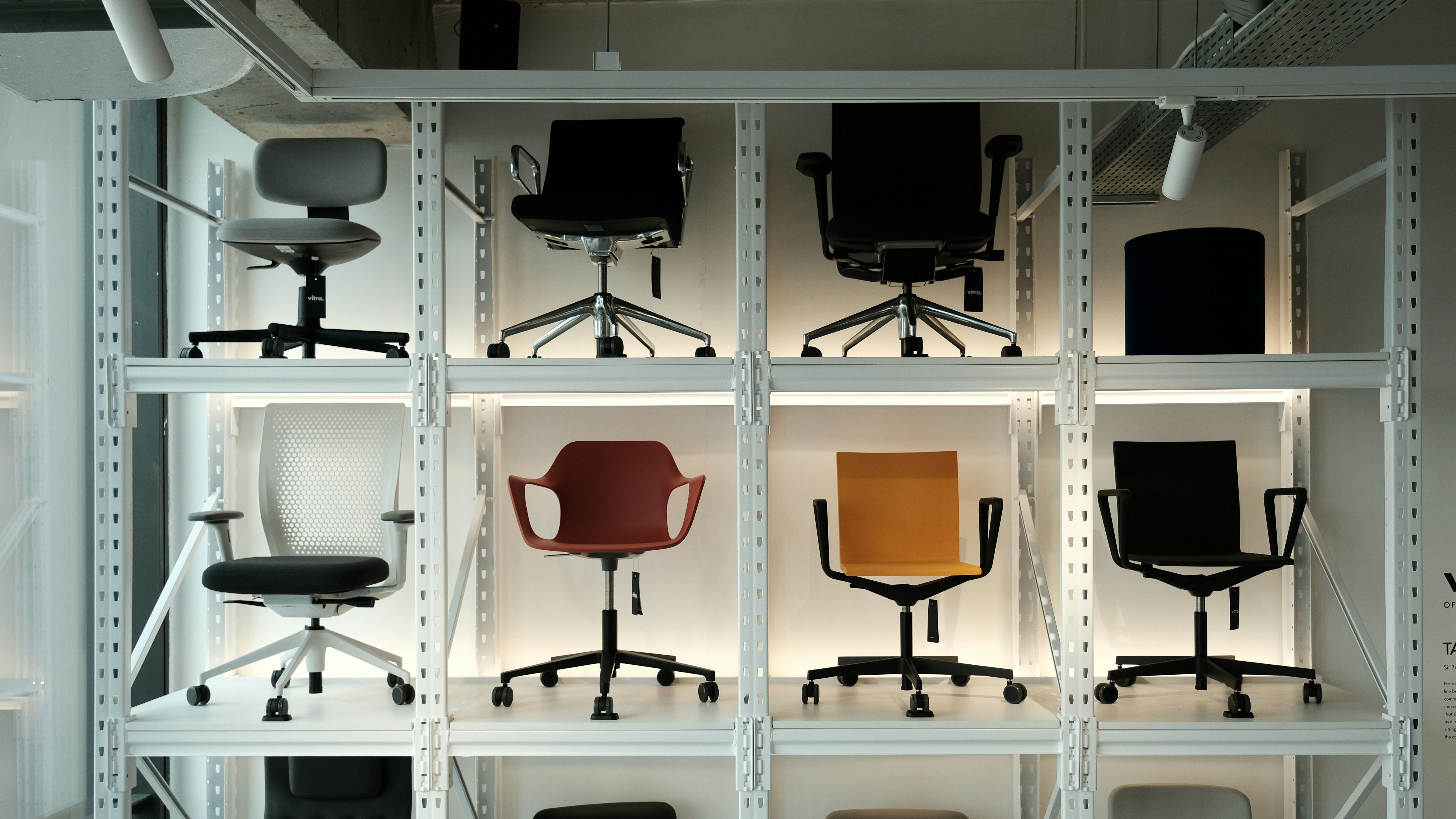
Office chairs come in several categories, each designed for a specific type of user or workspace. Some prioritize mobility and simplicity, while others focus on all-day ergonomic support or premium styling. While some are designed for daily desk use, others are better suited for conference rooms. Understanding the differences between task chairs, executive chairs, ergonomic chairs, gaming chairs, and designer models makes it easier to narrow down the best fit. When evaluating types of office chairs, consider how long the chair will be used, who will use it, and which features matter most.
Task Chairs
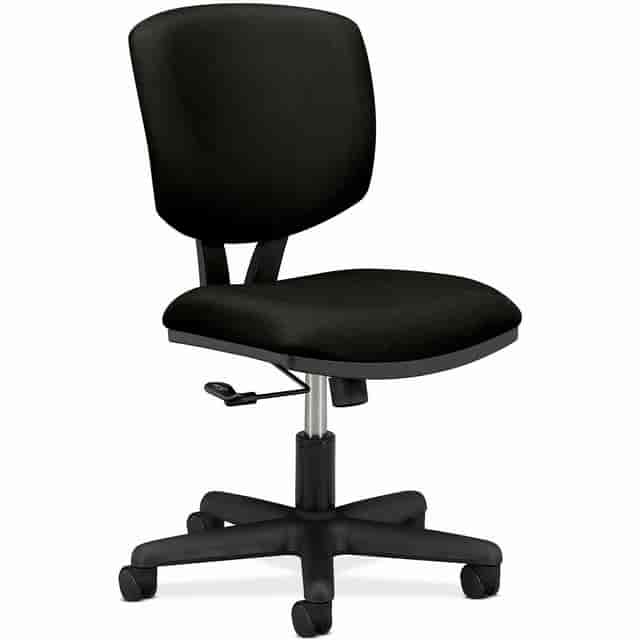
Task chairs are lightweight, versatile office chairs designed for everyday desk work and shorter sitting periods. They typically feature a compact frame, swivel base, casters, and basic adjustments that support movement throughout the day. These chairs are often a smart choice for shared workstations, home offices, and employees who move frequently between tasks. Minimalist models such as the Fritz Hansen Series 7 show how task chairs can blend function with modern style. One popular task chair is the HON Volt Series Task Chair.
Executive Office Chairs
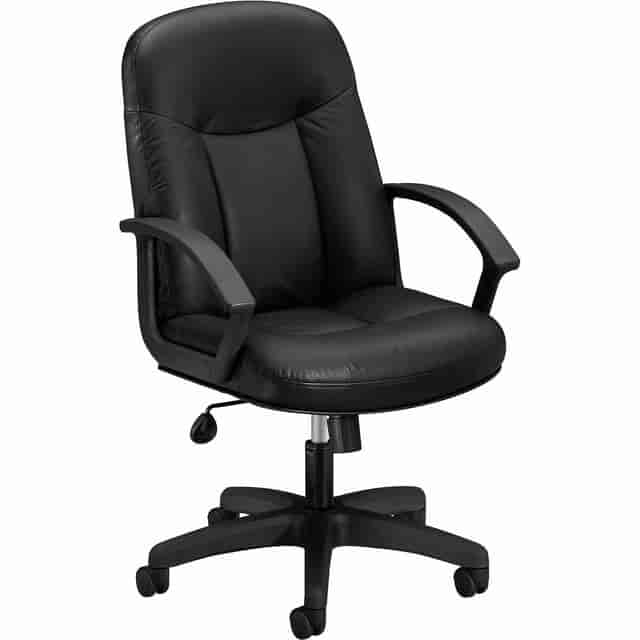
Executive office chairs are known for their tall backs, plush cushioning, and more formal appearance. They are often made with premium materials such as leather or high-end upholstery and may include enhanced lumbar support, padded arms, and a more substantial frame. These chairs are popular in private offices, leadership spaces, and environments where visual impact matters alongside comfort. Well-known examples include the Herman Miller Eames Aluminum Group and other high-end executive seating options. The HON High-Back Executive Chair is a top pick for many executive offices.
Ergonomic Office Chairs
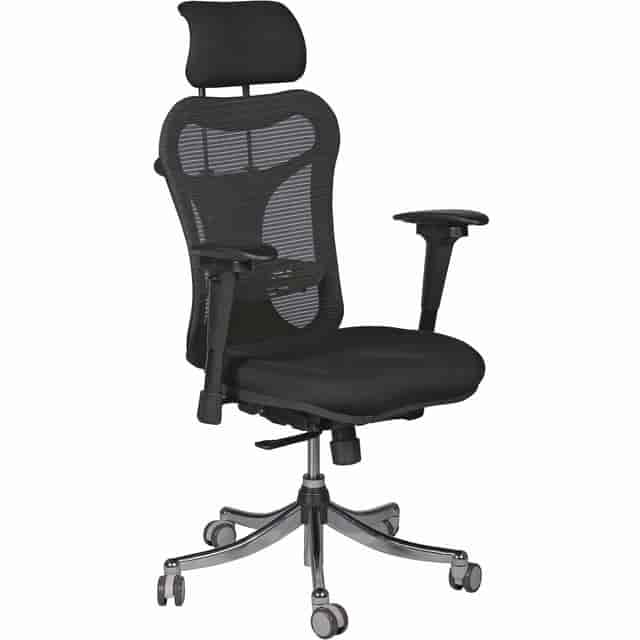
Ergonomic office chairs are designed for long hours of seated work and provide greater physical support. They often include adjustable seat depth, lumbar support, recline tension, armrests, and back angle settings to help users personalize the fit. Fortunately, there are many best-selling ergonomic chairs that deliver all these benefits at an affordable cost. This category is especially useful for people in desk-heavy roles such as administrators, customer service teams, analysts, and remote workers. Popular examples include the Branch Ergonomic Chair Pro, Steelcase Gesture, and Herman Miller Aeron. Consider the MooreCo Ex Ergonomic Office Chair to support your entire body as you work.
Gaming Chairs
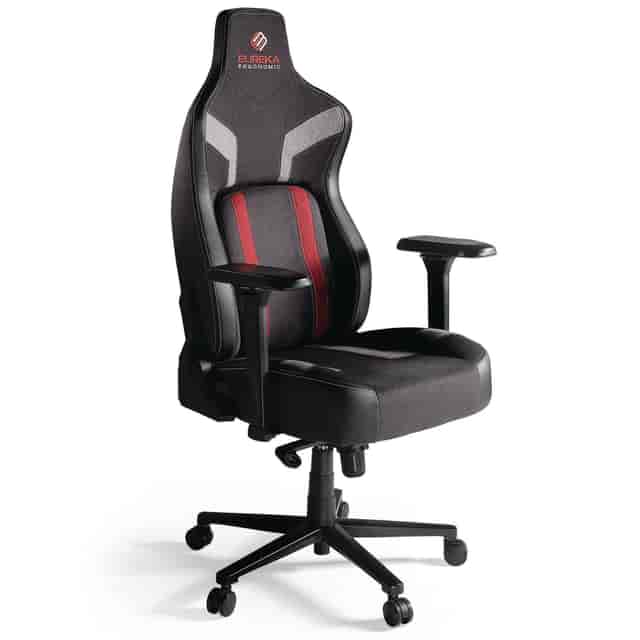
Gaming chairs are designed for extended sitting sessions and often feature high backs, pronounced side bolsters, and headrests or lumbar pillows. While originally made for gaming setups, many people use them in home offices because they emphasize cushioning and bold styling. Some models offer good recline and support features, though the fit can vary depending on body type and work habits. For users who want a highly padded, more dramatic chair, gaming chairs can be worth considering. The Eureka Ergonomic Python II Ergonomic Chair is stylish, modern, and a comfortable favorite among gamers.
Materials and Technologies: What Sets Different Office Chairs Apart
The materials and construction of an office chair affect comfort, durability, temperature control, and appearance. Two chairs may look similar at first glance, but perform very differently depending on their seat cushions, back materials, and support systems. Modern office seating also includes a range of ergonomic technologies that improve adjustability and targeted support. Understanding these differences helps buyers compare value beyond surface-level design.
Advanced Ergonomic Technologies
Many office chairs now include advanced support systems that go beyond basic seat height adjustment. These can include dynamic lumbar support, synchronized tilt, posture-focused back systems, and multi-point adjustability. Features such as PostureFit SL and customizable recline settings are designed to support movement while keeping the user aligned. For people spending most of the workday seated, these technologies can make a noticeable difference in comfort and support.
Essential Ergonomic Features to Look For in Office Chairs
The best office chairs usually share one thing in common: meaningful adjustability. A chair that fits one person perfectly may feel uncomfortable to someone else, which is why customizable support matters. When comparing different types of office chairs, focus on features that affect posture, pressure relief, and ease of movement. The right combination of adjustments can turn a decent chair into a strong long-term investment.
Adjustability Points for Custom Comfort
Seat height is one of the most basic but important adjustments because it affects leg position and foot placement. Beyond that, features like seat depth, tilt tension, recline lock, armrest height, and back angle help fine-tune the chair to the user’s body. Chairs with more adjustment points generally offer a better fit for a wider range of people and roles. Models with extensive customization, such as chairs with 10 or more adjustment settings, are often best for all-day desk work.
Lumbar and Neck Support
Lumbar support helps maintain the natural curve of the lower back and reduces the tendency to slump forward. Neck and head support can also be useful, especially for users who recline often or spend extended hours at a workstation. These features are important for reducing strain during repetitive computer tasks and for promoting a more neutral seated posture. When possible, adjustable lumbar support is preferable because it can be positioned more precisely.
Breathability and Airflow
Breathability is easy to overlook until a chair is used for several hours at a time. Mesh backs, ventilated designs, and flexible knit materials can help users stay cooler and more comfortable throughout the day. This is especially valuable in warm offices, home workspaces without strong climate control, or for users who sit for long periods. Better airflow can improve comfort without sacrificing support.
To learn more about lumbar support, headrests, and ergonomic design, read our Ergonomic Office Chair Guide: The Best Features Fully Explained.
Health Considerations: How Different Types of Office Chairs Address Common Concerns
Office seating has a direct connection to physical comfort and long-term musculoskeletal health. Many common work-related complaints, including lower back pain, stiffness, and neck strain, are linked to poor posture and prolonged sitting. The right chair cannot replace movement or a good workstation setup, but it can support healthier positioning throughout the day. That makes office chair selection an important part of any ergonomic workspace plan.
Preventing Tech Neck and Postural Issues
Tech neck refers to neck and upper back strain caused by looking down or leaning forward for extended periods. A supportive office chair can help reduce this problem by encouraging a more upright seated posture and better supporting the back. Features such as adjustable lumbar support, a stable backrest, and proper seat height all contribute to better alignment. When paired with correct monitor placement, the right chair can help reduce daily postural stress.

Durability, Warranty, and Investment: What to Expect from Different Office Chair Types
An office chair is often a long-term purchase, especially for people who work at a desk every day. Higher-quality chairs usually cost more upfront, but they may offer better support, better materials, and a longer usable lifespan. Durability depends on the frame, casters, upholstery, foam quality, and how heavily the chair is used. Comparing warranty coverage and build quality can help buyers understand the true value of different office chair types.
Warranty Lengths and What They Indicate
A longer warranty often signals greater confidence in the chair’s engineering and materials. Premium office chair brands may offer warranty periods ranging from seven to 12 years, while lower-cost models often provide much shorter coverage. Although warranty length is not the only measure of quality, it can be a strong indicator of expected performance over time. Buyers comparing office chair brands should consider both the coverage duration and which parts are included.
Longevity and Material Durability
The lifespan of an office chair depends heavily on its construction and use. Premium chairs with strong frames, durable mesh, and resilient seat cushions can last significantly longer than lower-cost alternatives. Material quality also affects how the chair looks over time, including whether the seat compresses, the upholstery cracks, or the arm pads wear down. For busy offices and full-time remote workers, durability can be just as important as immediate comfort.
How to Choose the Right Office Chair: Key Factors and Recommendations
Choosing the best office chair starts with understanding how the chair will actually be used. A buyer should consider daily sitting time, body type, workspace size, support needs, and budget before narrowing down chair types. It also helps to think about whether appearance, adjustability, or durability should take priority. The strongest choice is usually the chair that matches the user’s habits and offers the right balance of comfort, support, and value.
Checklist: Matching Chair Types to Work Habits
People who sit all day usually benefit most from ergonomic office chairs with strong lumbar support and multiple adjustment points. Those who use a desk more occasionally may do well with a simpler task chair that still offers core support features. Executive chairs suit private offices and formal workspaces, while mesh chairs are best for users who prioritize breathability. Matching the chair to actual work habits is one of the most effective ways to make a smart purchase.
Budget vs. Premium: Making the Right Investment
Budget office chairs can work well for lighter use, temporary setups, or buyers with basic needs. Premium office chairs often justify their higher price with better ergonomics, longer warranties, stronger materials, and greater long-term comfort. The right investment depends on how many hours the chair will be used and how important support is for daily work. For full-time desk users, paying more upfront may lead to better value over time.
Final Recommendations and Top Picks
For buyers seeking strong, all-around ergonomic support, the Herman Miller Aeron and Steelcase Gesture remain leading choices. Those seeking a more accessible ergonomic option may prefer chairs such as the Branch Ergonomic Chair Pro or the Branch Verve Chair. Executive users may prioritize a chair with a more polished appearance and premium materials, while style-conscious buyers may prefer a designer model that complements the office. The best office chair is ultimately the one that supports the user’s body, work routine, and workspace goals.
Finding the Best Office Chair Type for You
The best office chair is not simply the most expensive or the most popular. It is the chair that fits the user’s body, supports the way they work, and holds up over time. By comparing chair categories, materials, ergonomic features, and durability, buyers can make a more informed decision. Whether the priority is comfort, posture support, aesthetics, or long-term value, choosing the right office chair can improve both daily productivity and overall well-being.
Frequently Asked Questions
What are the main types of office chairs?
The main types of office chairs include task chairs, executive office chairs, ergonomic office chairs, gaming chairs, and designer office chairs. Each type serves a different purpose and is suited to different work habits, comfort preferences, and office environments. Ergonomic chairs are usually best for all-day use, while task chairs are often better for shorter periods and flexible workspaces.
Which type of office chair is best for long hours?
Ergonomic office chairs are often the best option for long hours because they provide greater adjustability and more targeted support. Features like lumbar support, seat depth adjustment, recline control, and flexible armrests help create a better overall fit. For more guidance, read our blog, How to Choose the Best Office Chair for Long Hours which breaks down what to look for in a chair built for all-day comfort and productivity.
Are mesh office chairs better than leather office chairs?
Mesh office chairs are often better for breathability and temperature control, especially in warmer environments. Leather office chairs tend to offer a more traditional and upscale appearance and may appeal more in executive settings. The better option depends on whether the buyer prioritizes airflow, visual style, maintenance, or overall feel.
What ergonomic features should I look for in an office chair?
The most important ergonomic features usually include adjustable seat height, lumbar support, armrest adjustment, recline or tilt control, and a supportive backrest. Seat depth adjustment and head support can also be useful for some users. A chair with multiple points of adjustment is more likely to fit a wider range of body types and work habits.
How do I choose the right office chair for my workspace?
Start by considering how many hours the chair will be used each day, what type of work will be done, and how much space is available. Then compare chair types based on ergonomics, materials, style, and budget. The best office chair for a workspace is one that supports the user comfortably while fitting the room’s functional and visual needs.
Is an expensive office chair worth it?
A more expensive office chair can be worth it for people who sit for many hours each day or need better long-term support. Premium models often include stronger warranties, better construction, and more advanced ergonomic features. For occasional use, a mid-range or budget chair may be enough, but full-time desk users often benefit from investing in a higher-quality chair.
How long should an office chair last?
A well-made office chair can last several years, and premium models may last much longer with regular use. Durability depends on build quality, materials, and how heavily the chair is used. Chairs with strong warranties and reputable construction generally offer better long-term value.
What is the best office chair for back pain?
The best office chair for back pain is usually an ergonomic chair with adjustable lumbar support, a supportive backrest, and enough customization to match the user’s body. A chair that encourages upright posture and reduces pressure on the lower back is often the best option. It is also important to pair the chair with a proper desk and monitor setup for better overall ergonomics.
Questions & Answers

Subscribe for Updates on Deals & Promotions
- We are: